Prevention dossier
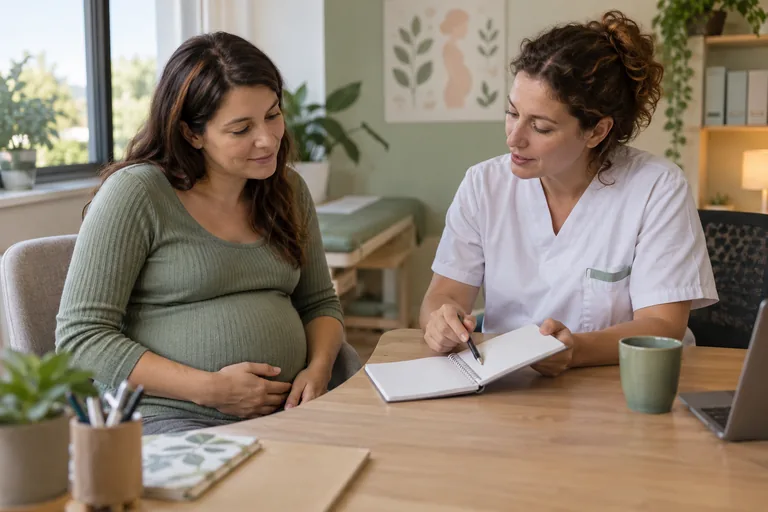
Pregnancy and infections: anticipating exposures
Spotted on toxoplasmosis, listeriosis, CMV, rubella, syphilis and Zika during pregnancy, with the steps to discuss with the healthcare team.
Read folder →

01Protection against biological risks
Un portail indépendant pour comprendre les maladies infectieuses et l’ensemble des risques biologiques selon une approche humaine, animale, végétale et environnementale. Des fiches, des guides pratiques et des liens vers les autorités compétentes pour comprendre une exposition et préparer les bonnes questions.

02Direct access
Choose your need to immediately access the most useful page, sheet or source.
Essential response
A biological risk is the possibility that a biological agent — virus, bacteria, fungus, parasite or prion — causes damage after exposure. Its level depends on the agent, route of entry, dose or duration of exposure, the context and vulnerability of the person, animal or plant concerned.
FoldersThree starting points
Prepare a medical exchange, understand a result or adapt prevention to your loved ones.
Spotted on toxoplasmosis, listeriosis, CMV, rubella, syphilis and Zika during pregnancy, with the steps to discuss with the healthcare team.
Read folder →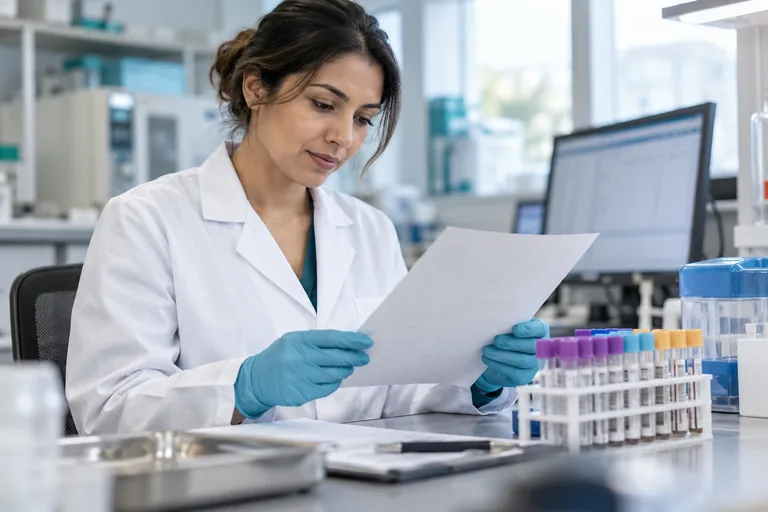
Understand what PCR detects, antigenic tests and serologies, the limits of a negative result, and the role of sampling and time of testing.
Read folder →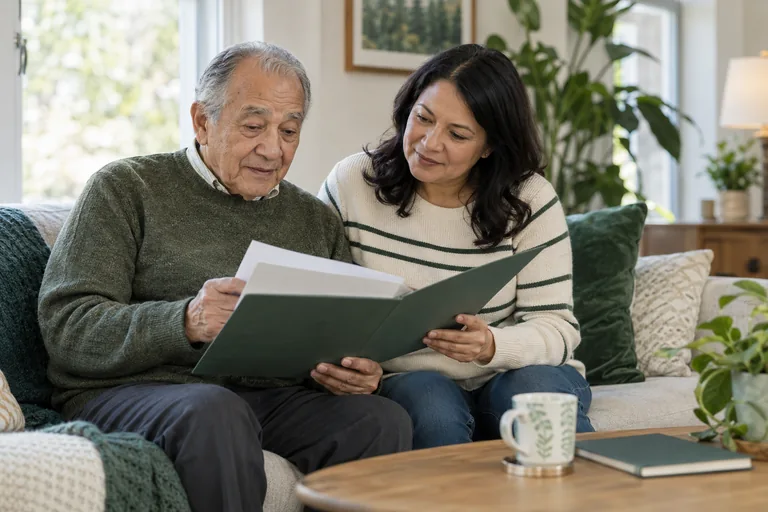
Age, pregnancy, chronic diseases and immunosuppression: prepare for appropriate prevention and know when to ask for advice.
Read folder →04Explore the guide
The pages are structured to distinguish established facts, general measures and links to official references. Each theme starts from the basic concepts, explains the factors that change the risk and recalls the limits of information for the general public.
 01 / EXPOSURE
Understanding what distinguishes a hazard from a risk, recognizing the main routes of exposure, and finding out how biosecurity and the One Health approach can organize prevention.
Understanding risks → 02 / PATHOLOGIES
Compare 124 documented records on viruses, bacteria, fungi, parasites and prions, with their exposure pathways, prevention measures and official sources.
Explore the plugs → 03 / REDUCTION
Associate hygiene, air quality, vaccination, organization and equipment to reduce exposure without creating a false sense of safety.
Reduce exposure → 04 / MEMORY
Looking back on major historical milestones and understanding how surveillance, research, trust and access to care have transformed health responses.
Browse Timeline → 05 / REFERENCES
Find the main national and international sources, know what they publish and learn to check information before sharing it.
Accessing sources → 06 / ACTION
Identify key numbers, prepare information useful to transmit and adopt the right reflexes in the face of immediate danger or potential exposure.
Find the right number →04Frequently Asked Questions
The danger describes the intrinsic ability of an agent to cause harm. The risk corresponds to the likelihood and severity of the damage in a real situation. The same hazard may therefore represent different levels of risk depending on the exposure, duration, protections, activity and vulnerability of the individuals or species concerned.
Stay away from the source if it can be done safely, apply the immediate actions planned for the situation, such as washing a exposed area, and contact the appropriate service or professional quickly. In case of distress, significant breathing difficulty or immediate danger, call the rescue. Note the time, location, suspected agent and protections worn to facilitate the assessment.
No. The site provides general information, helps to understand the vocabulary used in public health and refers to institutional sources. He does not know your full symptoms, your history, or the specific circumstances of an exposure. Only a qualified professional can examine an individual situation and make a diagnosis.