



From danger to risk
One biological hazard is an agent or material of biological origin that may cause a harmful effect. The biological risk combines this hazard with the probability of exposure and the possible severity of its consequences. This distinction avoids the conclusion that a dangerous agent is the same level of risk everywhere.
The assessment shall take into account the mode of transmission, the quantity handled, the stability of the agent, the place, the duration of exposure, the persons concerned and the existence of preventive or therapeutic measures.
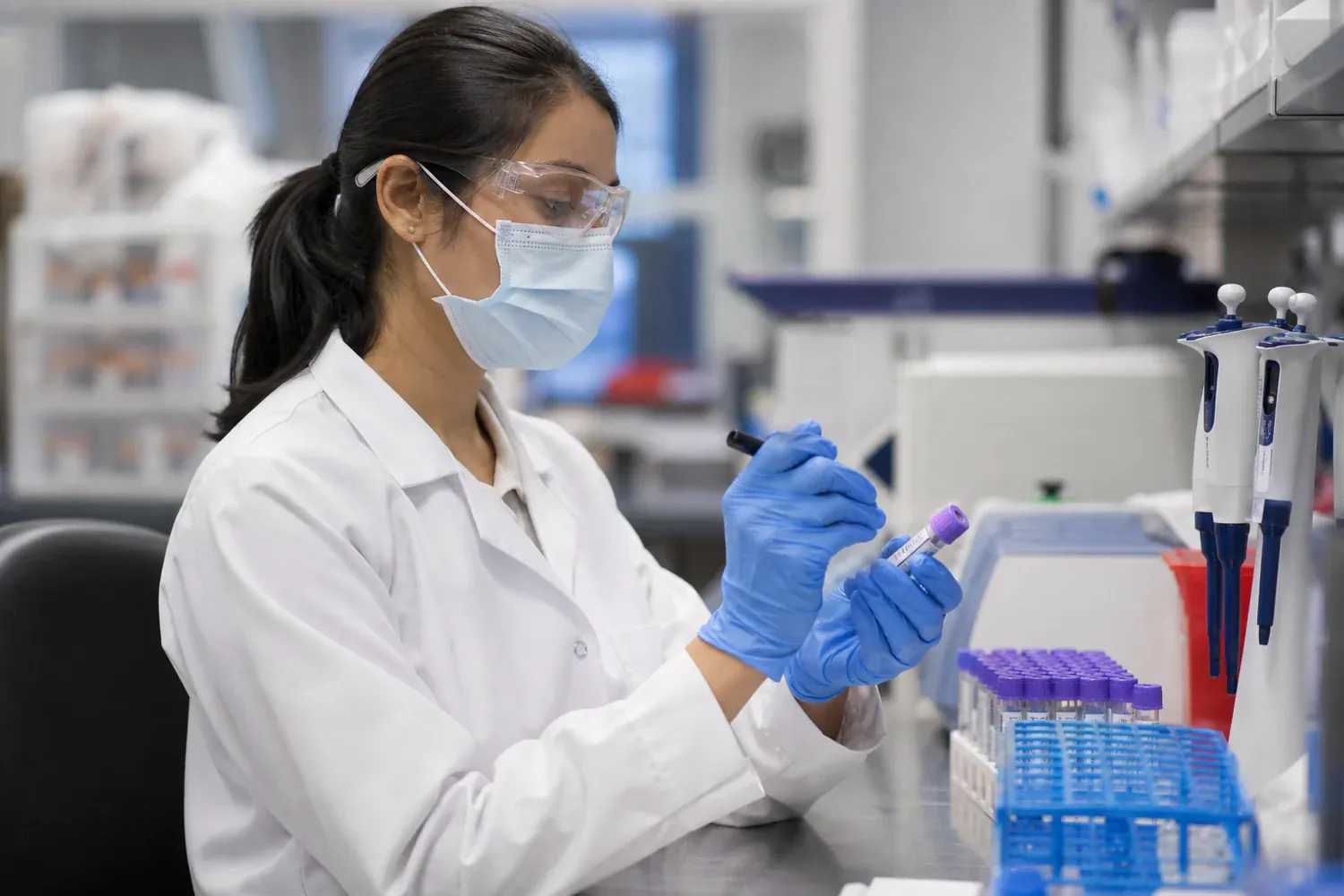
For example, a properly closed sample, identified and handled by trained personnel, does not create the same situation as a widespread, unknown or projected material on a mucous membrane. Similarly, a brief exposure in an open space does not necessarily amount to a prolonged exposure in a poorly ventilated place. The assessment must always be based on observable facts.
Sensitiveness also plays a role. Age, immunity, pregnancy, certain chronic diseases, treatment or absence of vaccination where it exists may change the possible consequences. This diversity explains why a general directive never replaces the analysis of a particular case.

Main families of agents
Virus
Viruses are infectious agents that use host cells to multiply. Their transmission can be respiratory, vector, blood, food or contact-related, depending on the virus. They do not respond to antibiotics and the means of prevention or treatment are specific to each disease.
Bacteria
Bacteria are micro-organisms very present in our environment and our organism; only part of the species or strains is pathogenic. Some infections can be prevented or treated, but inappropriate use of antimicrobials promotes resistance that complicates management.
Mushrooms and pests
Microscopic fungi can cause superficial or deep damage. Pests include organisms with a wide variety of life cycles, sometimes transmitted by water, food, soil, an animal or vector. The risk varies greatly depending on the agent, the environment and the state of health.
Prayers and toxins
Prions are abnormal infectious proteins associated with rare diseases. Toxins produced by living organisms can also cause serious effects without multiplying in the host. Their methods of control and decontamination require specific knowledge.
Routes of exposure
An exposure pathway describes how an agent can reach the organism. Knowing it is essential, because effective protection against one path can be useless against another. Several routes may also coexist in the same situation.
- Inhalation: breathing aerosols, fine droplets, contaminated dust or particles, including in a closed space or during an operation which suspends them.
- Contact: passage through damaged skin or mucous membranes, or transfer from contaminated surfaces to eyes, nose or mouth.
- Ingestion: consumption of contaminated water or food, but also by insufficiently cleaned hands or utensils.
- Inoculation: direct introduction following a sting, cut, bite or accident of exposure to blood.
- Vectors: transmission by mosquitoes, ticks or other arthropods, depending on their geographical presence, activity and disease.
One Health Reading
Biological risks are built at the interface between humans, animals and the environment. Changes in land use, mobility, food systems, climate, care practices and global trade can change exposure opportunities. The One Health approach coordinates the knowledge and actions of several sectors.
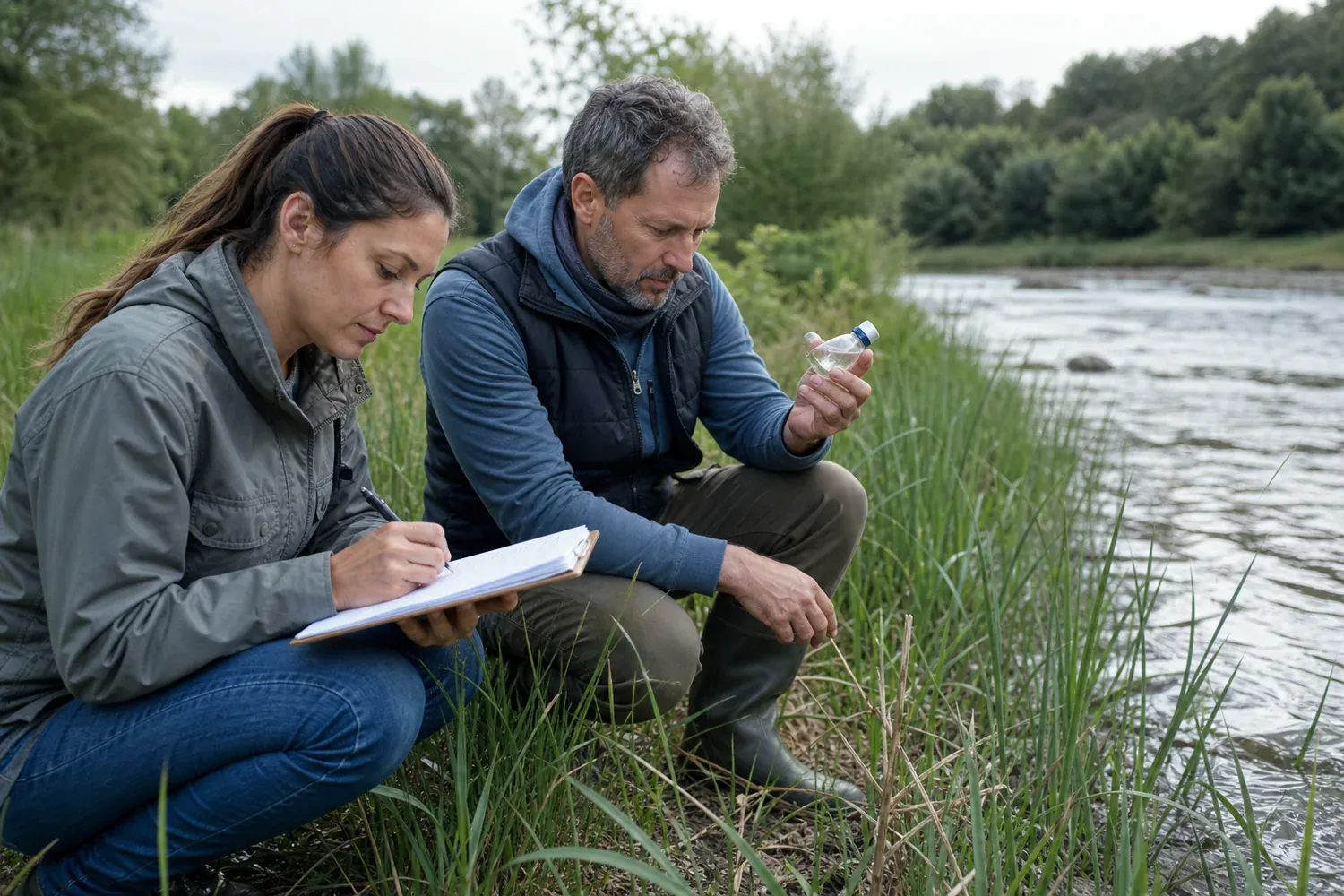
This coordination can include human disease surveillance, veterinary observations, laboratory analyses, water quality, wildlife data and agricultural practices. The aim is not to mix everything, but to share useful signals early enough to understand a situation as a whole.

On a daily basis, this reading also reminds us of simple principles: handling food with care, respecting vaccination recommendations, avoiding unprotected contact with a sick or dead animal and quickly reporting unusual exposure. At the collective level, it helps organize surveillance, research and crisis preparedness.
Frequently Asked Questions
Which agents may constitute a biological risk?
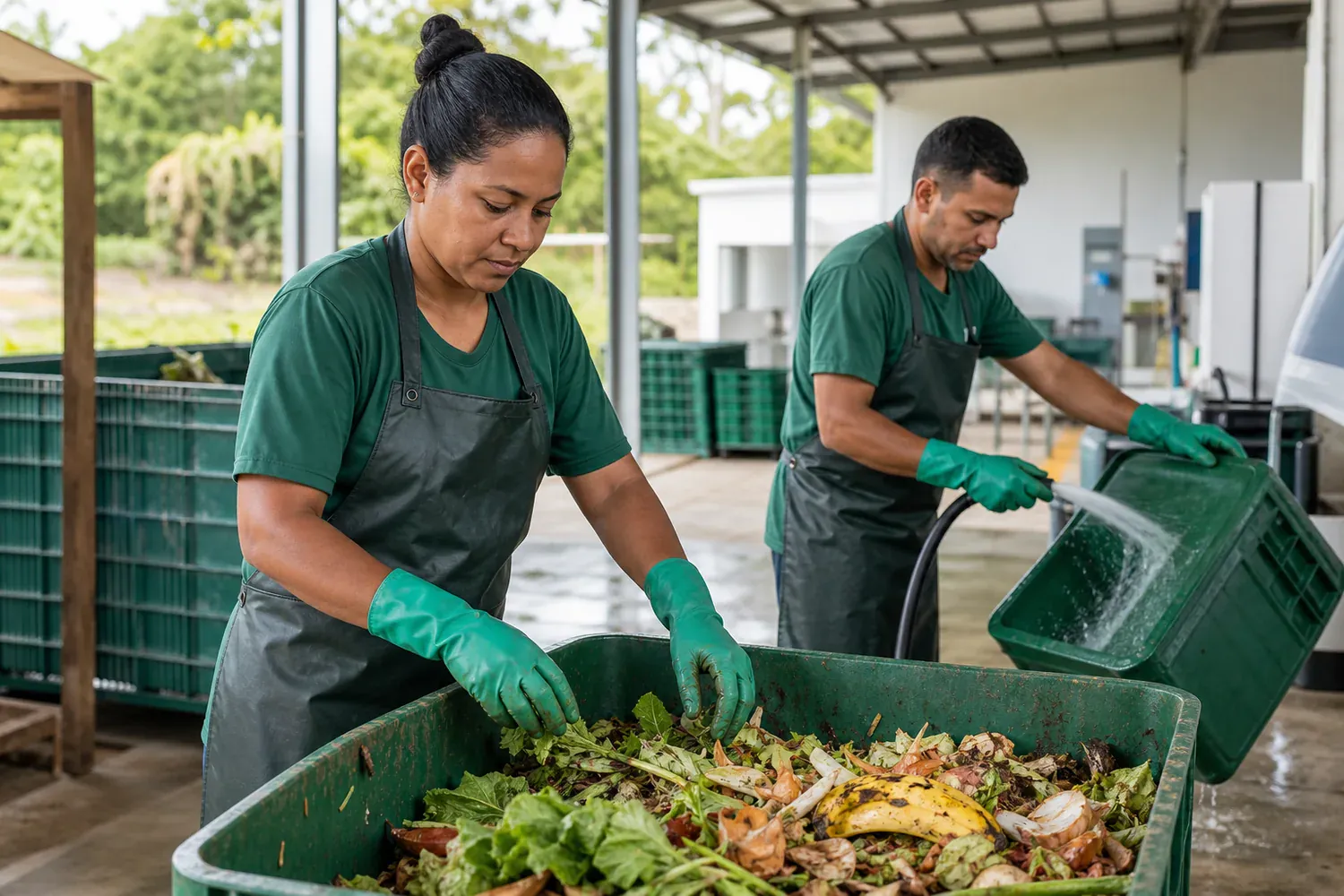
Biological risks may involve bacteria, viruses, fungi, parasites, prions, biological toxins or potentially contaminated materials. Laboratory cultures, blood, care waste, wastewater, animals or certain agricultural products may therefore require precautions adapted to their context.
Do they identify the same risk and biological danger?
No. The hazard describes the intrinsic ability of an agent to cause harm. The risk shall also take into account the likelihood, route and duration of exposure, the quantity involved, the persons concerned and the available means of protection. The same hazard can therefore correspond to very different levels of risk.
What is biosecurity?
Biosafety includes principles, equipment, organisation and practices to prevent accidental exposure or unintentional release of biological agents. It is based on a prior assessment and is not limited to wearing gloves or masks.