



A hierarchy of prevention
Prevention begins by identifying the source and avoiding or suppressing exposure when it can be. These include collective protections, work or care organisation, hygiene procedures, and personal protective equipment. This logic favours measures that protect several people without depending on a perfect gesture at every moment.
Stacking random protection does not necessarily improve safety. First, we need to understand the route of exposure, the people involved and the constraints of the place. A realistic, explained and time-controlled measure is often more useful than a spectacular but impossible to maintain.
1. Avoid
Remove unnecessary operation, limit contact with a potential source, select a less exposing method, and comply with prescribed restrictions. Acting at source generally remains the most reliable protection.
2. Control
Ventilate, install a suitable barrier, clean according to a precise protocol, organize flows and secure stinging waste or objects. These measures protect all those present.
3. Protect
Use the equipment indicated for the task, to the correct size and properly adjusted. They must also be removed without contaminate, then disposed of, cleaned or maintained as directed.
4. Monitor
Train people, recognize an exhibition, report the incident and get advice quickly. The feedback then helps to correct the procedure and avoid a similar incident.

General daily measures
Every day, the goal is not to live in a sterile environment. It is a question of adopting some useful habits at times when transmission is plausible, without constantly disinfecting or using products that are more aggressive than necessary.
- Wash hands with water and soap before preparing or eating, after toilets and when they are visibly dirty; use a hydro-alcoholic solution when appropriate. See hand hygiene method.
- Aerate enclosed spaces and follow the site's ventilation recommendations, especially when they are occupied for a long time or by many people. Open ventilation guide.
- Respect respiratory hygiene, cough or sneeze in the elbow and wearing a well-fitted mask when the context requires it.
- Prepare, cook and store food in accordance with health safety rules, avoiding contamination between raw and ready-to-eat foods.
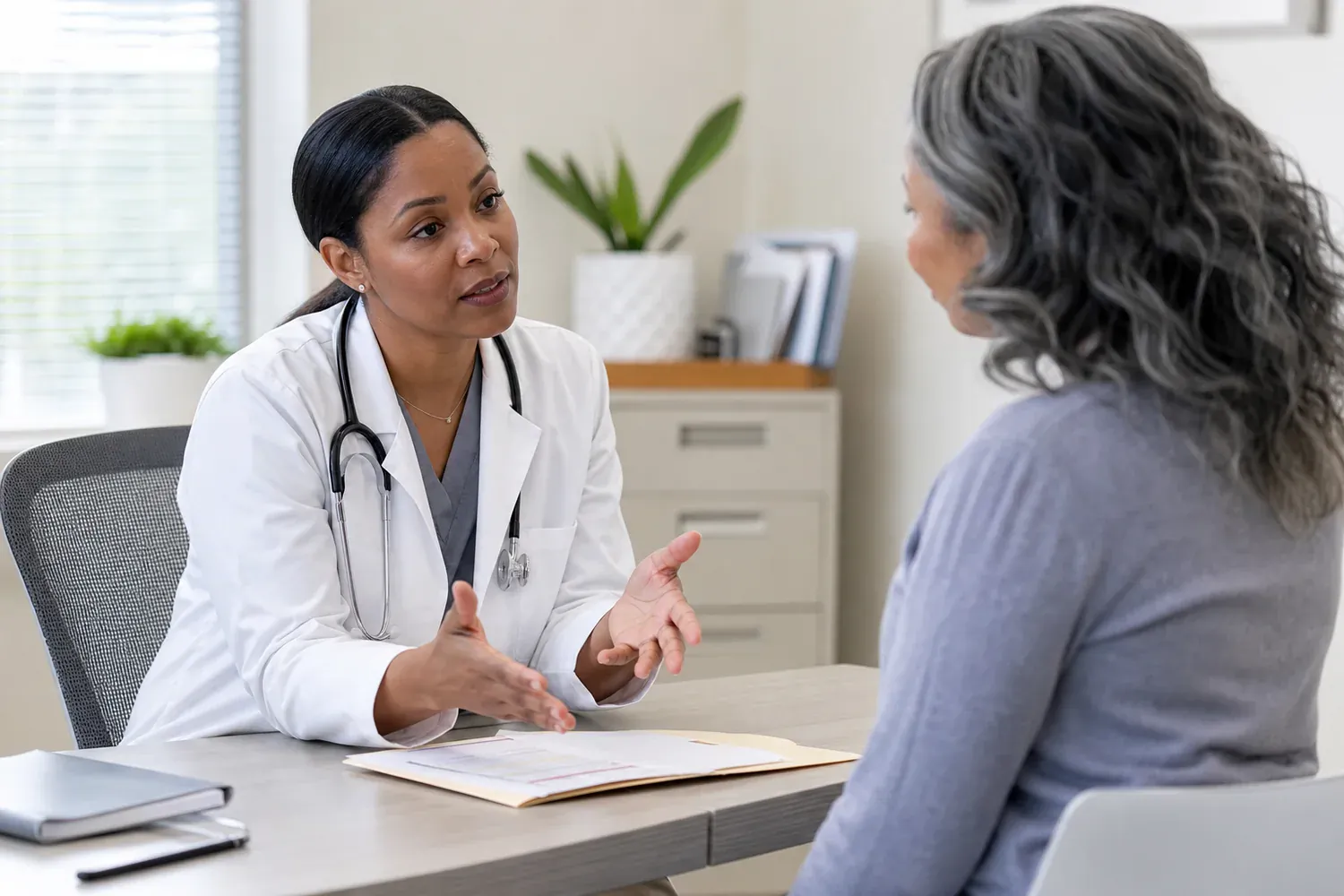
- Maintain the recommended vaccinations with a health professional, taking into account age, occupation, travel and health status.
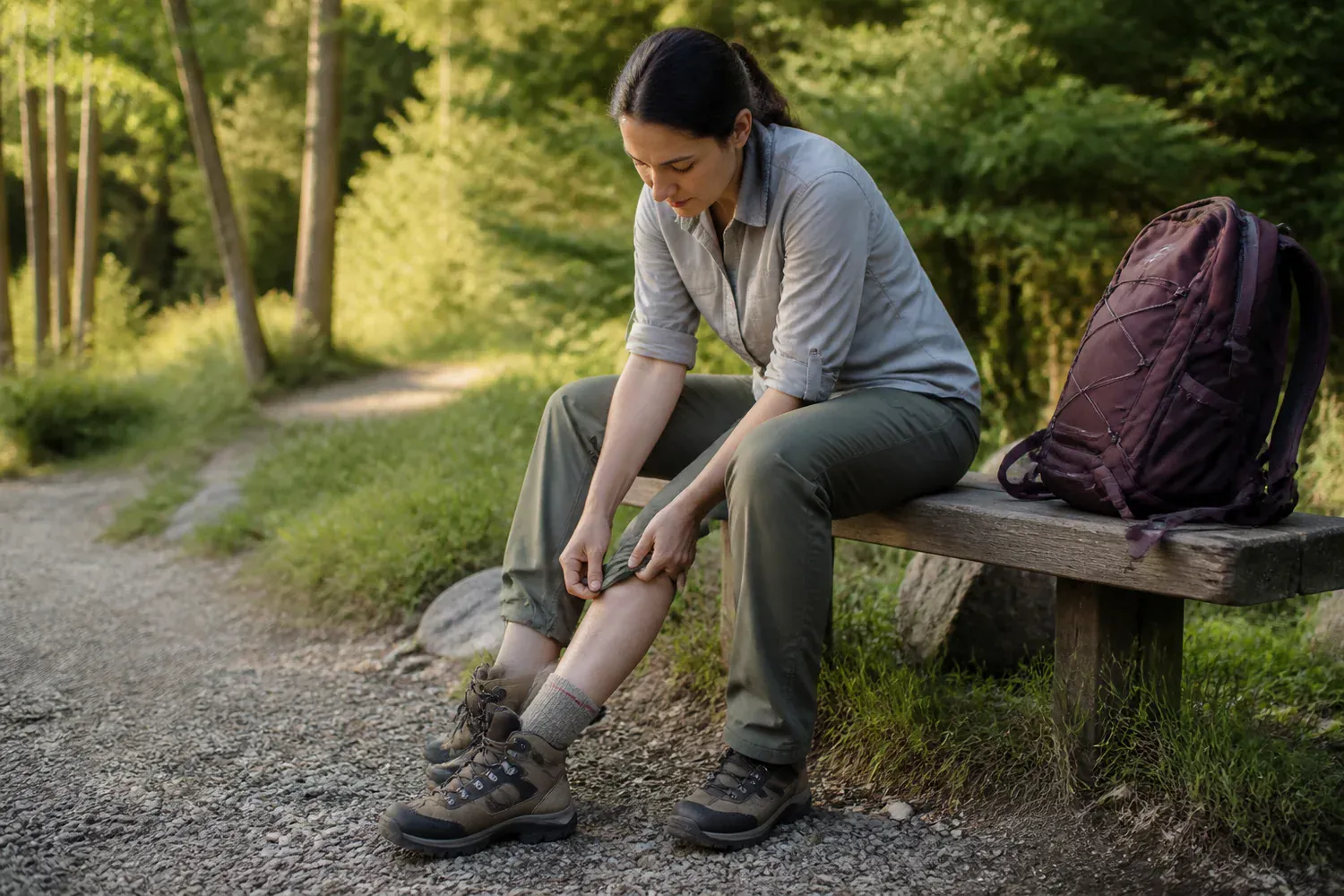
- Avoid unprotected contact with sick or dead animals, inspect the skin after exposed activity and know the method of removal of a tick.

If a purchased food is the subject of an alert, compare its reference, lot and dates with the Official reminder form. The brand or appearance alone is not sufficient to determine whether your product is affected.
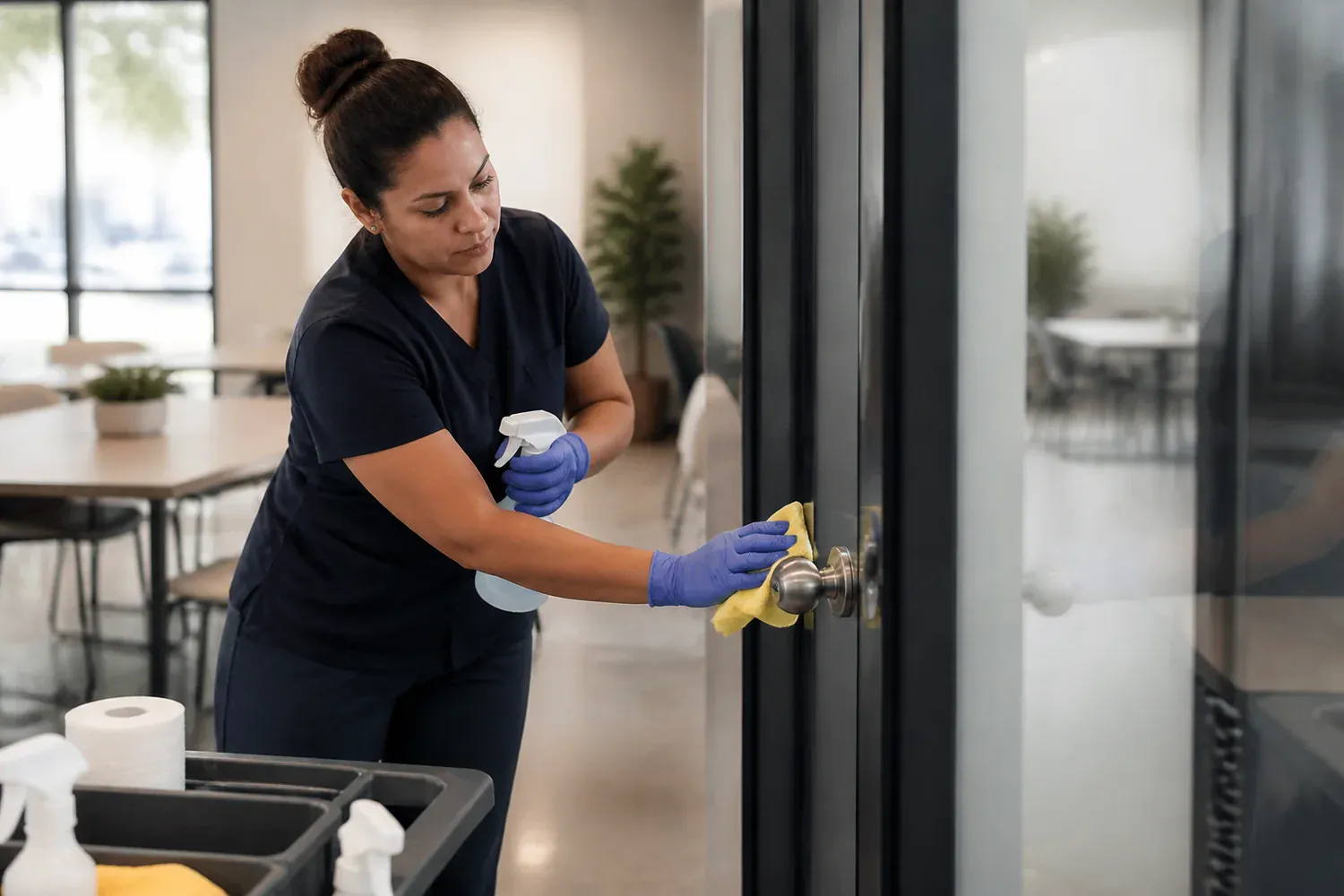
Cleaning removes dirt and part of the microorganisms; disinfection aims to inactivate more with a specific product and contact time. Disinfecting a still dirty surface or mixing household products can be ineffective or dangerous. The guide clean or disinfect helps to choose the right level of action.
Professional environments and care
The laboratories, healthcare establishments, livestock farms, funeral services, sewage treatment plants and other trades exposed need a formal assessment. It takes into account tasks, possible agents, volumes, frequency of contacts, possible accidents and particularly sensitive people.
Measures may include containment, training, written procedures, professional vaccination, post-incident driving and standard equipment. The instructions of the employer, the prevention service, the occupational medicine and the competent authorities take precedence over any general recommendations found on-line.
After potential exposure
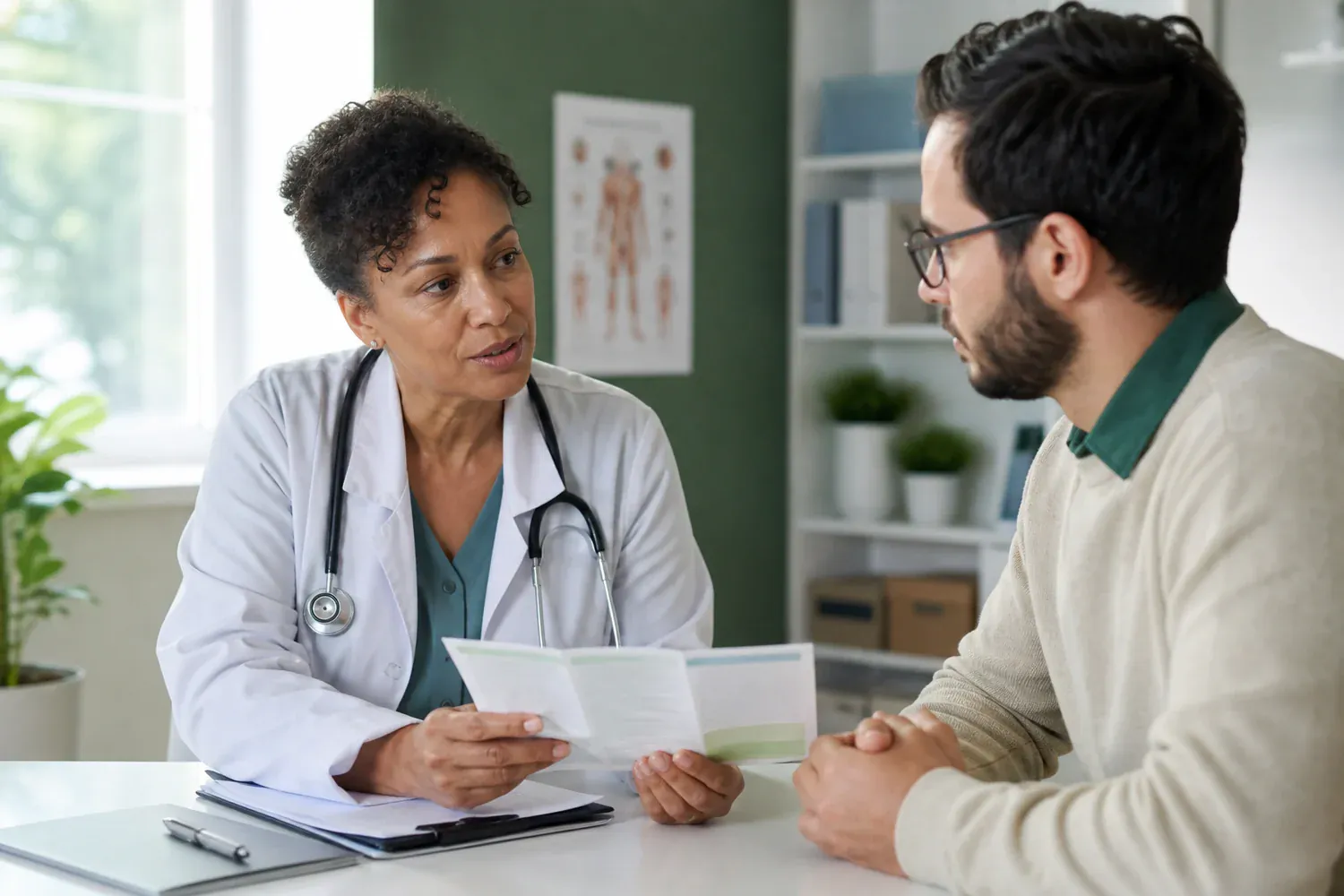
Exposure does not automatically mean contamination has occurred, but some situations require rapid assessment. Keeping calm, limiting secondary contacts and providing accurate information helps professionals decide what to do. The guide of the first reflexes after exposure details the order of the shares.
- Get away from the source without exposing other people and do not unnecessarily move suspicious material.
- Apply the local first aid procedure immediately, without improvised action or unrecommended product.
- Report the incident and record the time, location, nature of the exposure, area of the body concerned, equipment worn and suspected agent.
- Quickly contact a medical department, poison control centre or emergency room depending on the situation; some measures are useful only in a short time.
- Follow the monitoring instructions given and inform those responsible for an accident.
Frequently Asked Questions
Is only one protective measure sufficient?
Rarely. Prevention is more robust when it combines several measures adapted to the route of transmission and the context. Avoid exposure, improve organization, renew air, apply useful hygiene and use suitable equipment complement each other without having exactly the same role.
When should I wear a mask?
The choice and use of a mask depends on the risk, location and recommendations in place. The type of mask, its fit, its duration of use and the conditions of withdrawal influence its effectiveness. In the occupational sector, these elements are subject to a specific evaluation.
Why does vaccination remain specific?
A vaccine protects against one or more specific diseases according to a defined pattern. There is no universal vaccine against biological risks. Recommendations may vary with age, occupation, health status, travel or epidemiological status.