Daily prevention
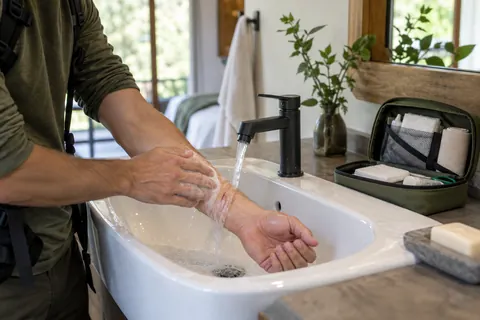
Hand hygiene: when and how to wash them
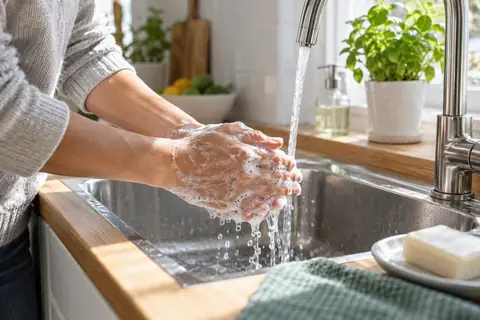
When and how to wash your hands: water and soap, hydro-alcoholic solution, practical steps, key moments and mistakes to avoid.
- Reading 6 min
- 6 steps
- 4 answers FAQ


GuidesMoving from information to action
Short answers, verifiable steps and decision points for current situations. Each guide also indicates what it does not allow to conclude and refers to institutional sources.

01Choose by need
Start with the concrete situation. The corresponding page first gives the essential answer, then details and limits.
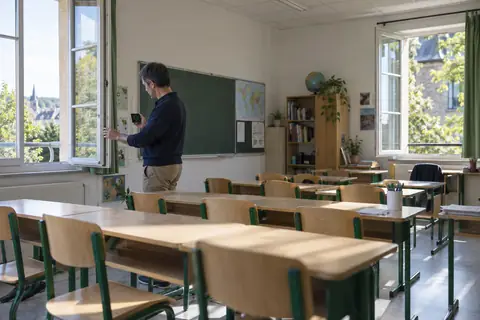
Daily prevention
When and how to wash your hands: water and soap, hydro-alcoholic solution, practical steps, key moments and mistakes to avoid.
Inland air
Practical guide to internal ventilation: ventilation, mechanical systems, filtration, CO2, risk situations and errors to avoid.
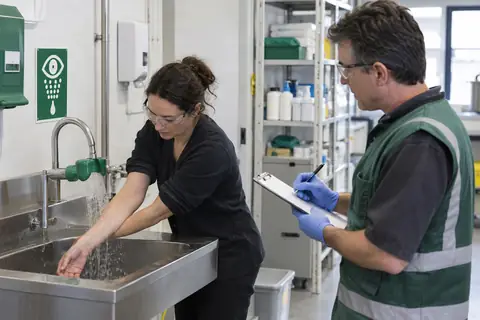
Conduct to be maintained
What to do after a biological exposure: safety, washing or rinsing, information to note and urgent orientation.
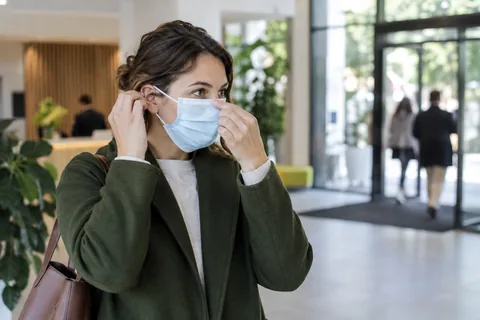
Respiratory prevention
How to choose, adjust, wear and remove a mask: useful situations, adjustment test, frequent errors and limitations.
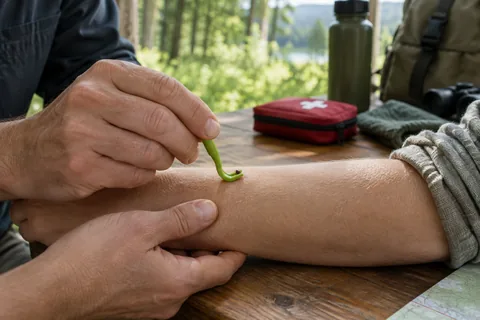
Vector risks
What to do after a tick bite: pull-out, disinfection, surveillance for four weeks and signs to consult.
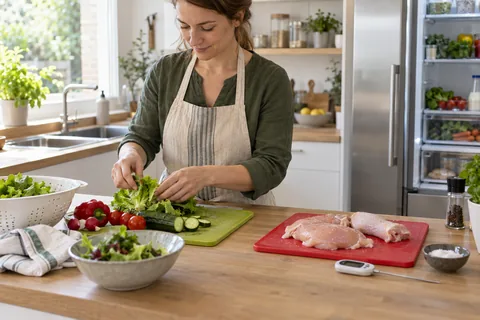
Food hygiene
Preventing food poisoning: clean hands, raw/cooked separation, cooking, cold chain, leftovers and cleaning of the kitchen.
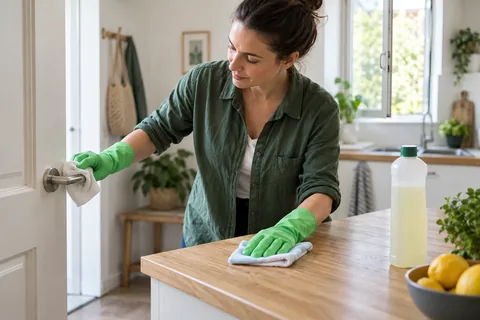
Surface hygiene
Cleaning or disinfection: understand the difference, choose the right product, respect the contact time and avoid dangerous mixtures.
Travel medicine
Prepare vaccinations before a trip: schedule, destination, certificates, consultation and documentation to be gathered.
Water and environment
Check the water quality of the tap, store it properly and follow a local restriction or health alert.
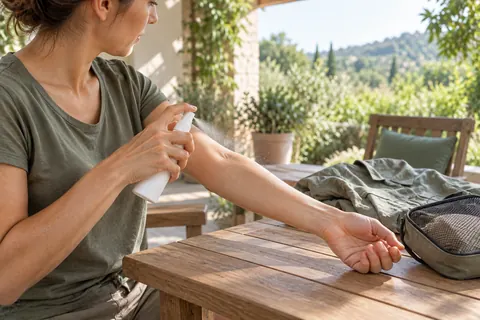
Vector prevention
Reduce mosquito bites: clothing, repellents, mosquito nets, shelter, stagnant water and driving in case of fever.
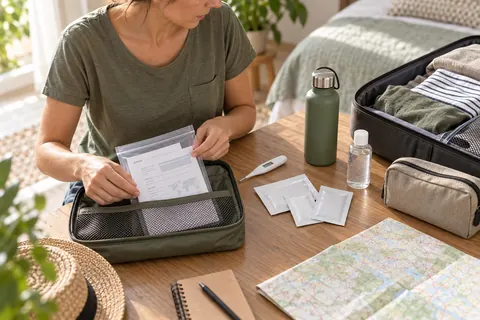
Before departure
Preparing your health before a trip: insurance, drugs, prescriptions, kit, water, food, vectors and return.
Animal exposure
What to do after an animal bite, scratch or contact of saliva: washing for 15 minutes, antisepsia and rapid medical assessment.
Inland air
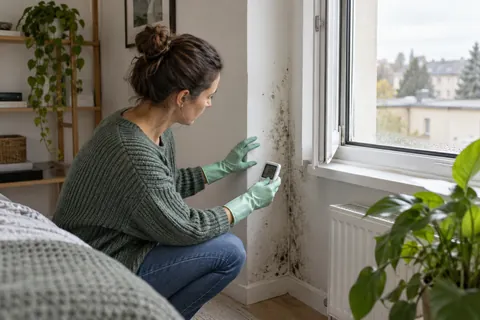
Identify abnormal moisture, treat its cause, clean a small area of mould and know when to request a professional intervention.
Food security
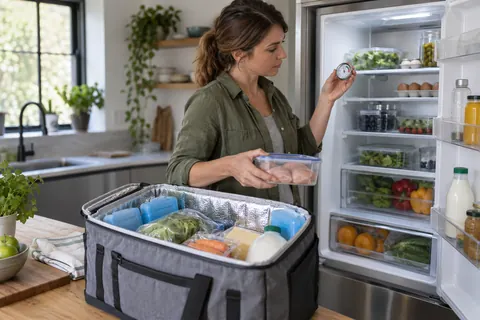
Maintain cold-sensitive foods, use a cooler, manage an electrical failure and decide what to store without tasting a questionable food.
Recreational waters
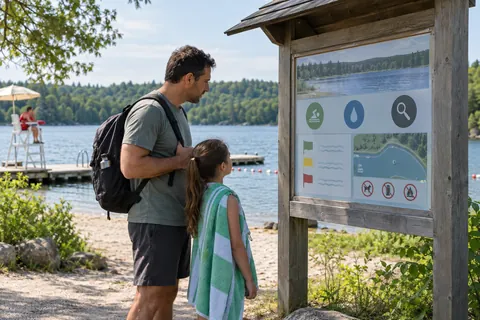
Verify the official results of a beach or lake, recognize an alert or cyanobacteria and reduce exposure during bathing.
Home prevention
How to reduce the transmission of respiratory infection at home: space, indoor air, mask, hygiene, help and warning signs.
Water and habitat
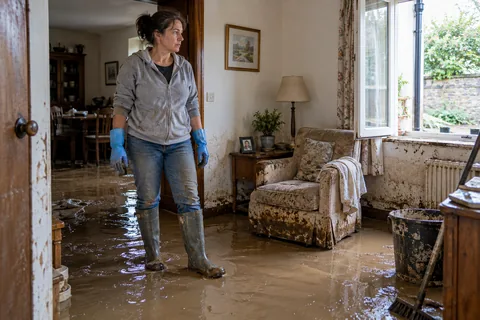
After flood guide: avoid flood water, check drinking water and food, protect wounds, clean and dry the housing safely.
02Quick orientation
The main recommendation appears before the details to reduce search time.
Each direction for use follows the real order of actions and distinguishes between important decisions.
Primary references, date, and situations requiring a professional remain visible.
Take action to do: limit transmission, secure water or food, prepare a trip, protect yourself from vectors or react after exposure. The guides then indicate the limitations and situations that require a professional.
No. They provide general benchmarks and organize institutional sources. An individual situation, symptom or actual exposure requires the competent contact person.
Each guide cites its primary sources, has an update date, and distinguishes between short response, instructions for use, errors and limitations. The site methodology details the audit cycle.